Journal
Building 0n1 in public · notes & how-tos
The story behind 0n1 Studios: what I’m building, why, and how. Part devlog, part how-to. No tracking and no newsletter wall; just an RSS feed if you want to follow along.
-
 October 8, 2026
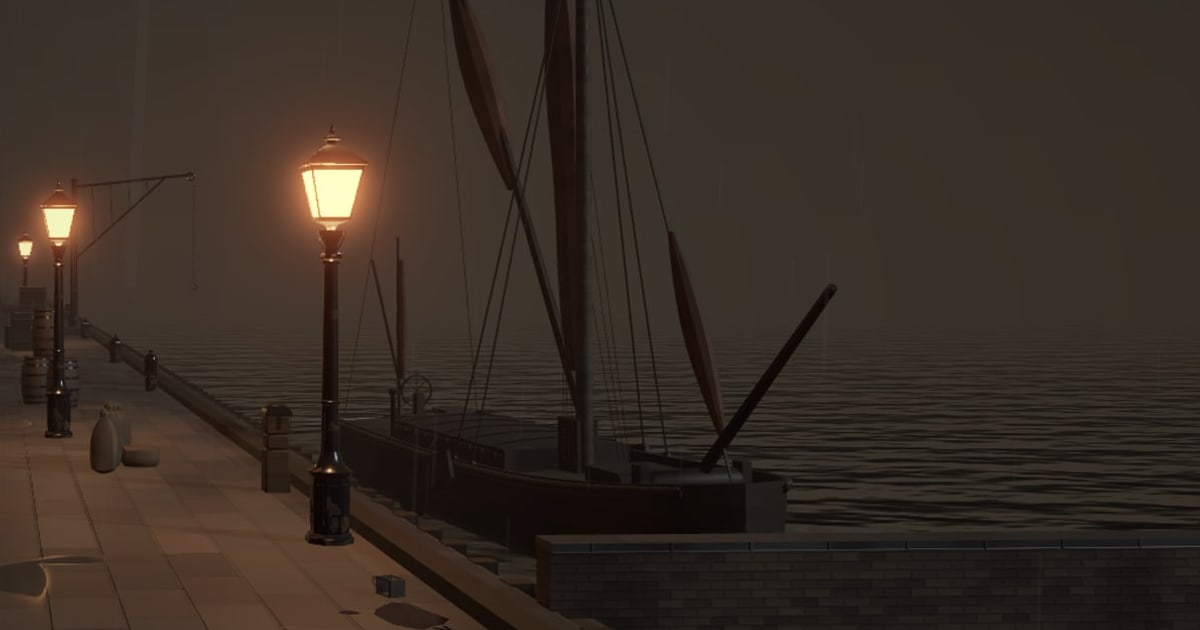
Paused, not forgotten
Three games are paused, not forgotten. Their evenings go to Hunt, set in the world Duels built: I meant to polish one case and ended up simulating London.
-
 August 31, 2026
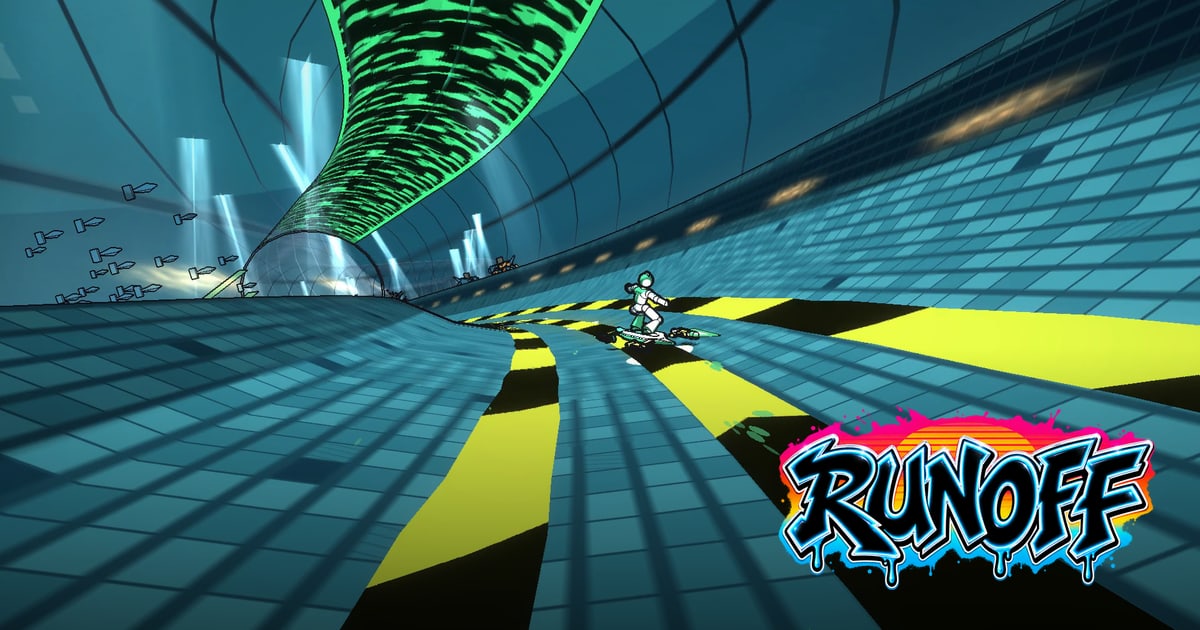
Sample size of one
I went on holiday with three games and came back with a fourth. Runoff is what happens when your harshest reviewer shares a kitchen table for two weeks.
-
 August 25, 2026
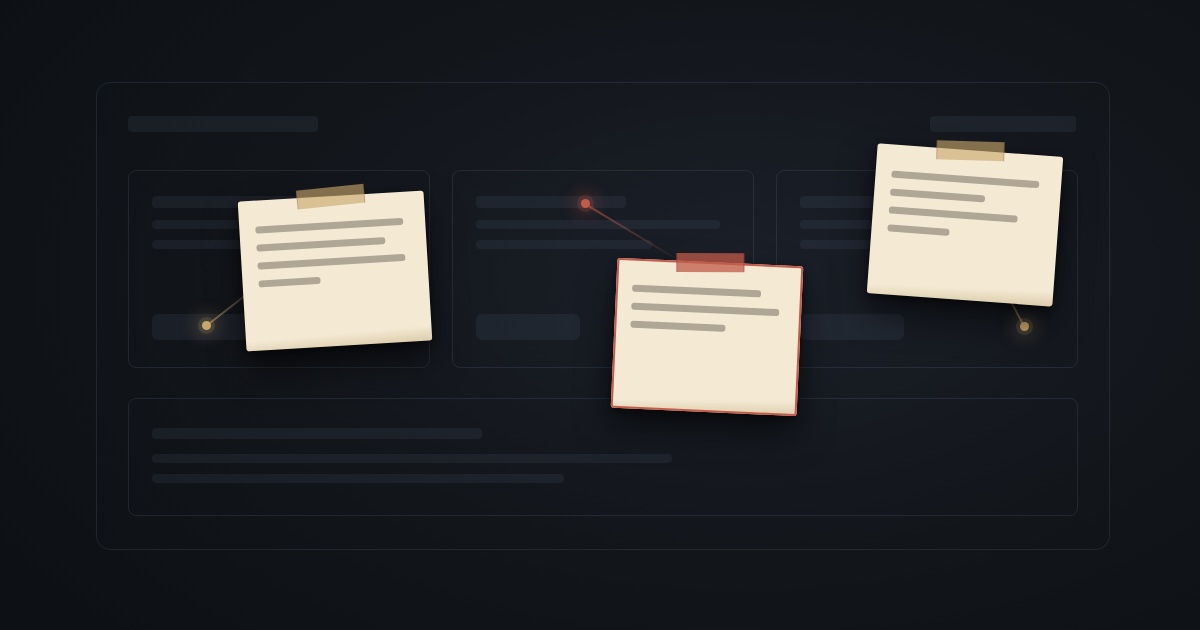
Point at it
Position is the feedback, and prose is a terrible way to carry it. After two weeks of describing screens in sentences, I built a board you stick notes on.
-
 July 30, 2026
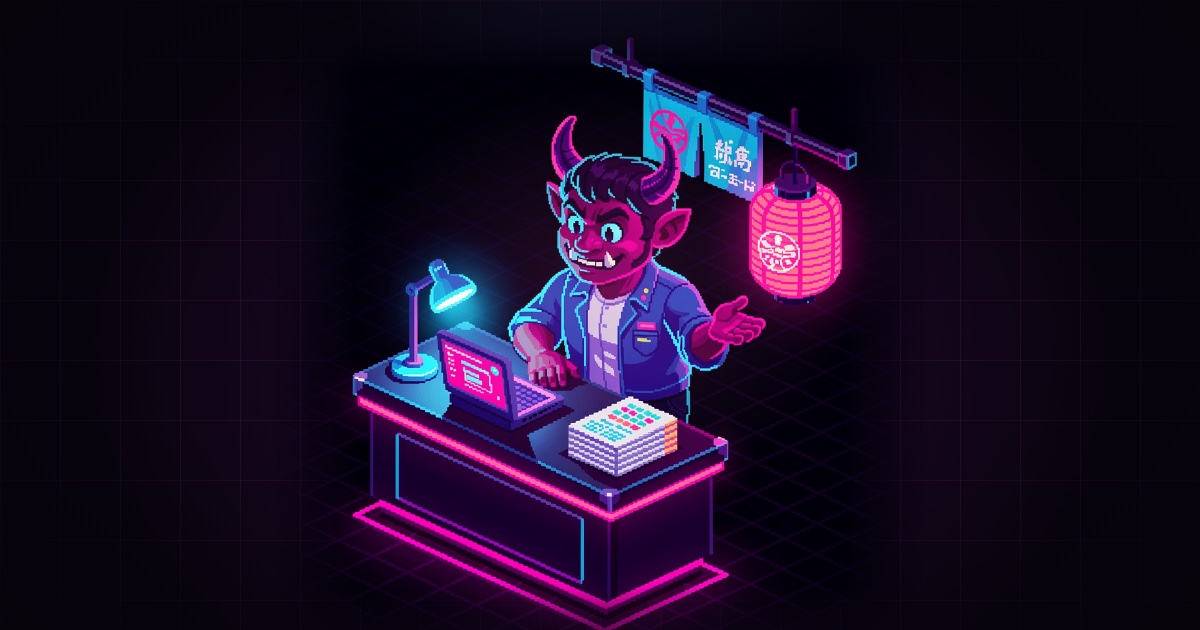
There's an oni at the door
The site has a chat button now. It's an AI, it says so, and it may only know what's on a page it just read. Why a one-person studio built a front desk.
-
 July 21, 2026
drAIn: ten agents, one of me
I ran eight things an evening until I lost track of which window was which. What the research says, why agents weren't the bottleneck, and the dashboard I made.
-
 July 12, 2026
Name the game, before the AI names it for you
An AI will build a game the moment you ask, but whose game? Why naming the genre first is the cheapest, highest-leverage call you can make, plus a 3D atlas.
-
 July 10, 2026
Meet the team (it's mostly software)
The other half of what gets built here: twelve studio-made AI tools that make the art, post the dailies and run the releases, now visible on the Workshop page.
-
 July 10, 2026
From
Letterboxto LineByI renamed my quote puzzle because "Letterbox" was crowded: a film site, a mail slot, an aspect ratio. Meet LineBy: same game, same purchase, a findable name.
-
 June 27, 2026
The only constant is change
Two games changed shape: LineBy went freemium with a free daily puzzle, and Worldwright began a Unity rebuild for desktop and Android. Here's why.
-
 June 18, 2026
If you build it,
they will comethey won'tBuilding the game is the fun part. Getting one stranger to notice it is the hard part. No formula, just table stakes: be findable, show up, beg your friends.
-
 June 16, 2026
Why you need a gdd.md (seriously, you do)
An idea isn't a game: it's a mood. Why every repo I touch has a plain gdd.md, and why it matters twice as much when an AI is building with you.
-
 June 15, 2026
Building 0n1 in public
I make small games on my own. This is where I write down how it's going, how bits of it work, and the things I got wrong along the way.